
LOCAL NEWS FOR ISPET 2026
NCHU NEWS: https://www2.nchu.edu.tw/news-detail/id/62644
(PDF Download)
n.yam NEWS: https://n.yam.com/Article/20261007155168
(PDF Download)
CNA NEWS: https://www.cna.com.tw/postwrite/Chi/446295
(PDF Download)
Previous ISPET 2026 Preceedings
Special Issue
"Selected Papers from ISPET 2026 "
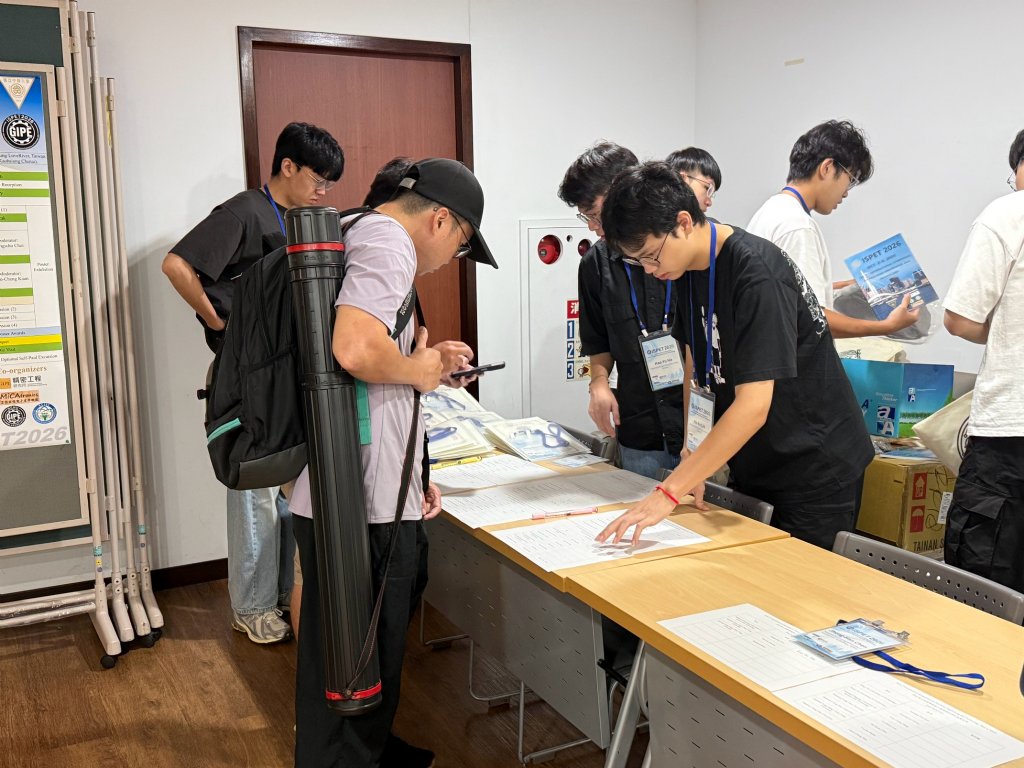
Rigester place
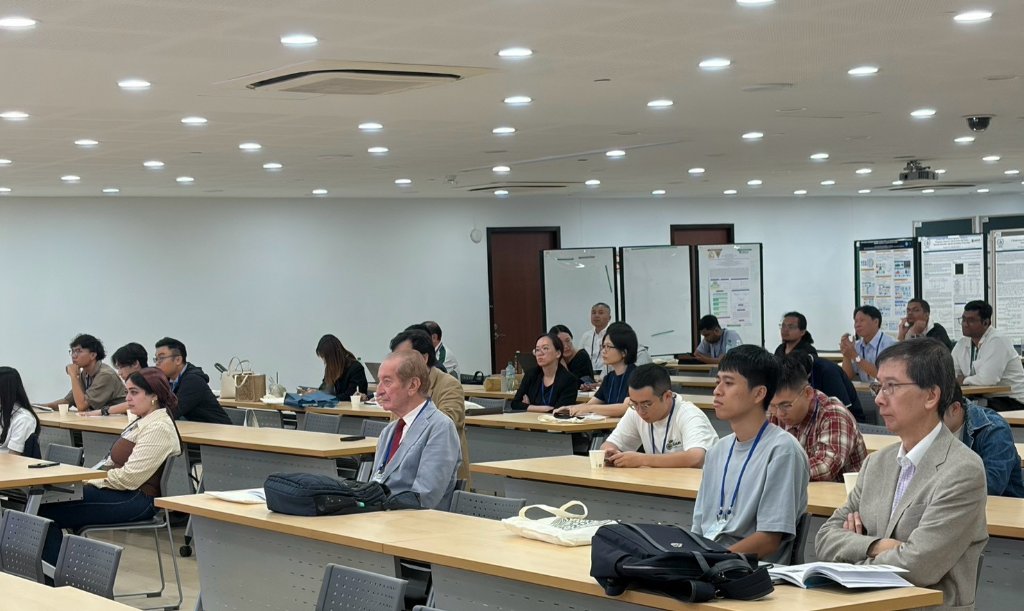
Symposium room
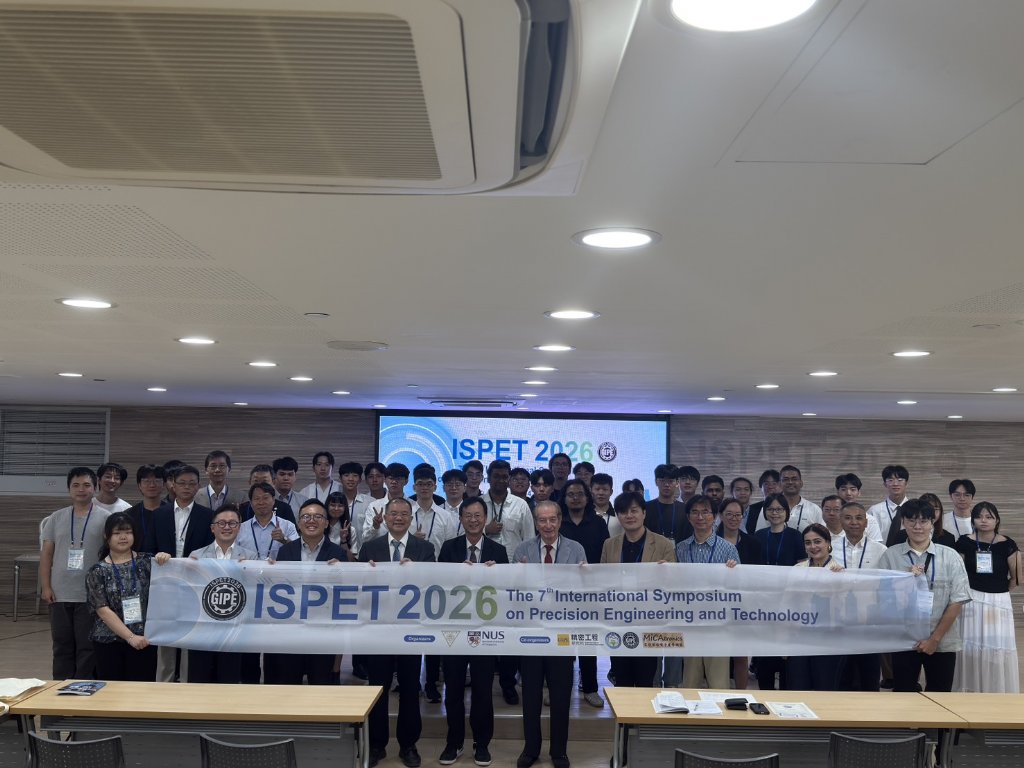
Group photo of attendance
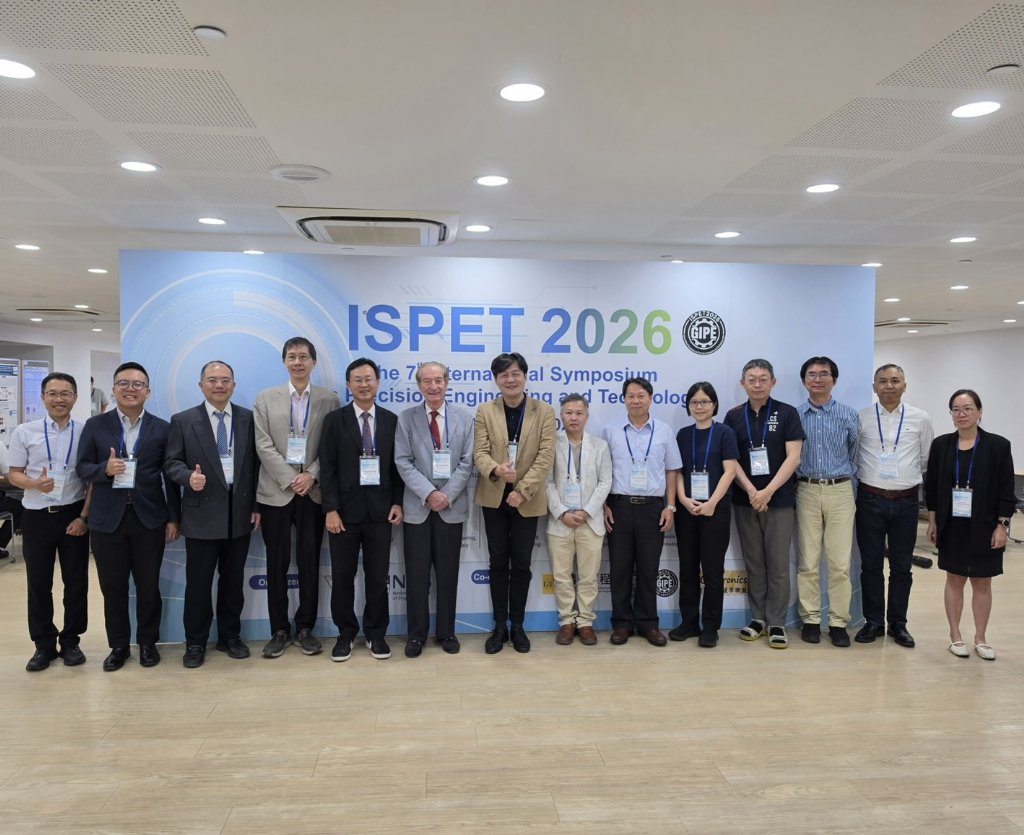
Group photo of the scholars
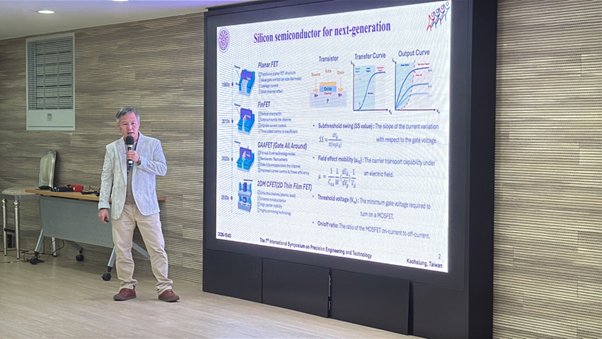
Bismuth-Based 2D Semiconductors: A New Era for Silicon-Integrated Electronics and Functional Native Interfaces Presented by Chair Prof. Ying-Hao Chu National Tsing Hua University, Taiwan
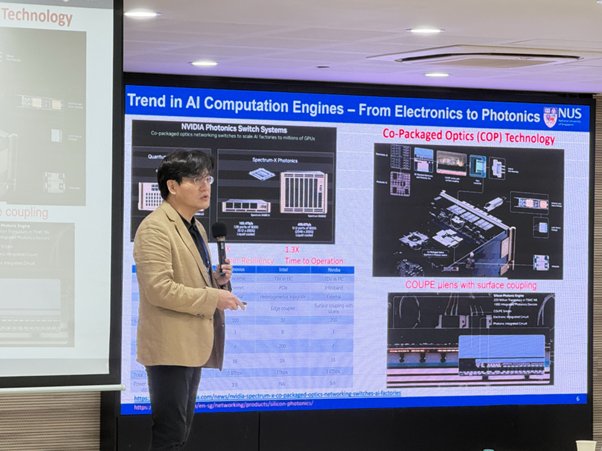
CMOS Photonics Circuits Enabled Photonic Neural Networks and Edge AI Sensing Presented by GlobalFoundries Chair Prof. Cheng-Kuo Lee National University of Singapore, Singapore
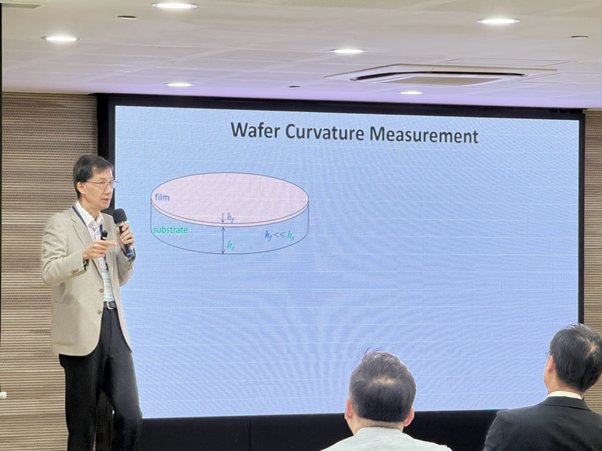
On the Applicability of Wafer Curvature Measurement to Determine Stress in Porous Thin Films Presented by Prof. Yu-Lin Shen University of New Mexico
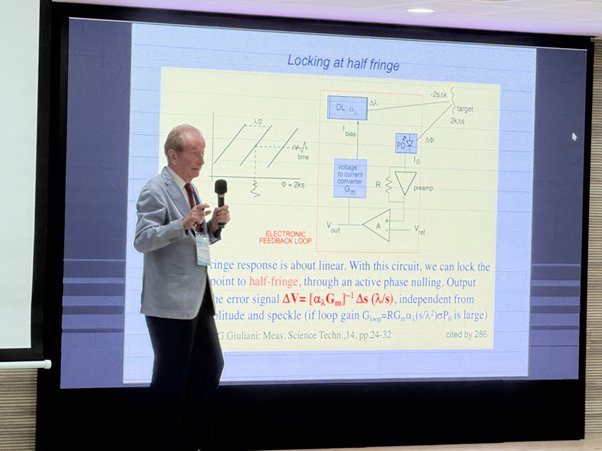
Sensing by Self-Mix Interferometry Presented by Prof. Silvano Donati University of Pavia and HiSiPIC
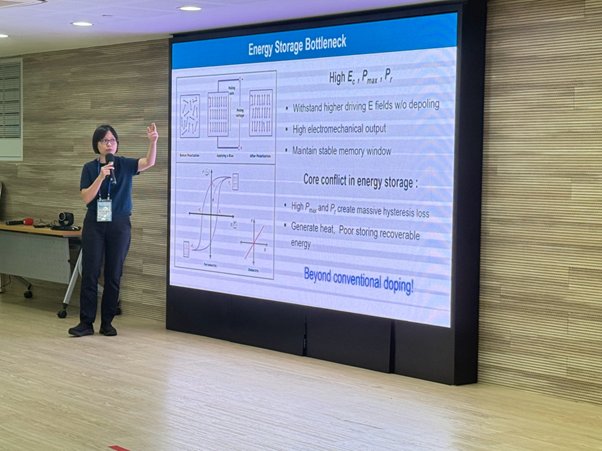
Magnetron-Sputtered High-Entropy Ceramic Thin Films for Dielectric Capacitor: A Process Development Study Presented by Assoc. Prof. Wei-Sea Chang National Yang Ming Chiao Tung University, Hsinchu, Taiwan
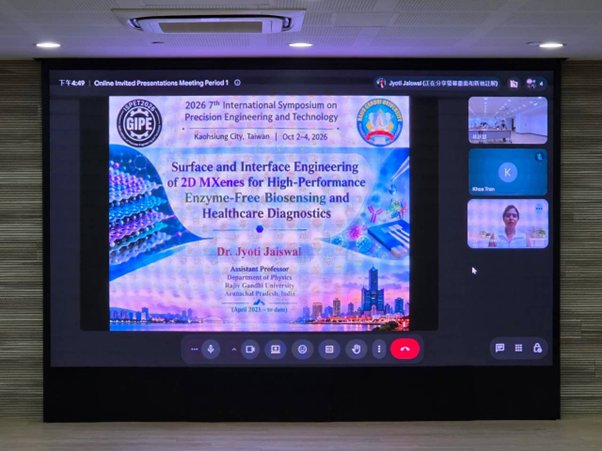
Surface and Interface Engineering of 2D MXenes for High-Performance Enzyme-Free Biosensing and Healthcare Diagnostics Presented by Assoc. Prof. Jyoti Jaiswal Department of Physics, Rajiv Gandhi University
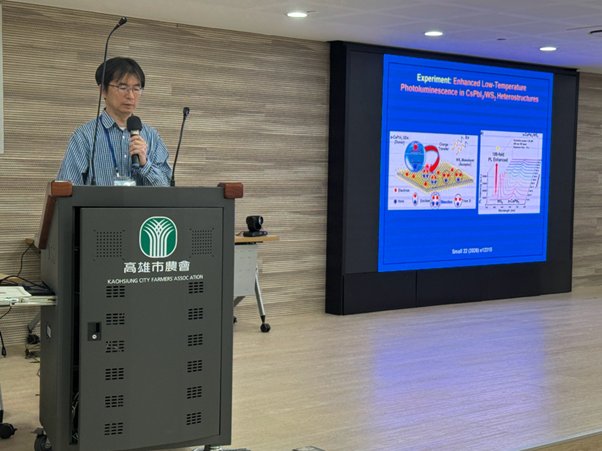
Computational Modeling of Nanoelectronics and Emerging Materials Presented by Prof. Chao-Cheng Kaun Research Center for Applied Sciences, Academia Sinica, Taiwan
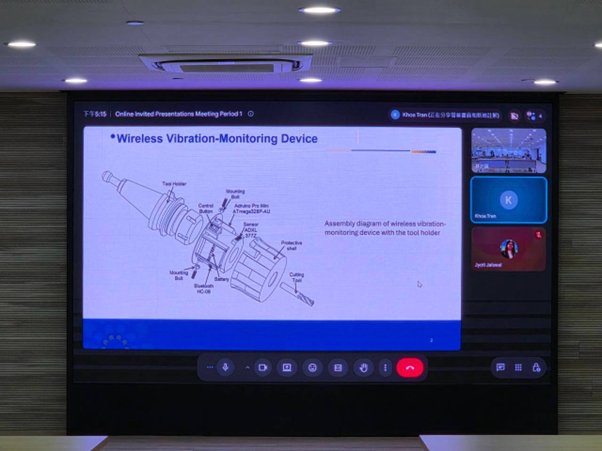
Data-Driven Modeling and Optimization of Surface Roughness and Vibration in End Milling Using a Wireless Sensor Tool Holder Presented by Prof. Ngoc Dang Khoa Tran Industrial University of Ho Chi Minh City, Vietnam
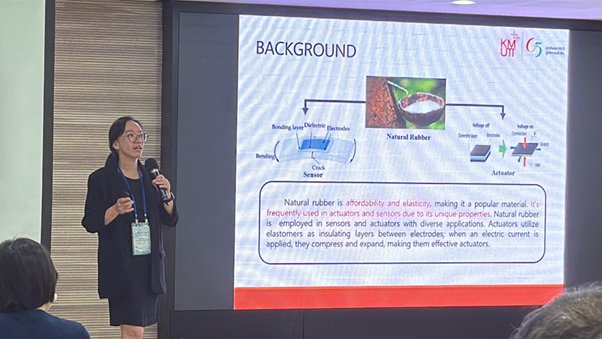
From Flexibility to Intelligence: Advancements in Soft Robotics Presented by Prof. Teeranoot Chanthasopeephan King Mongkut's University of Technology Thonburi
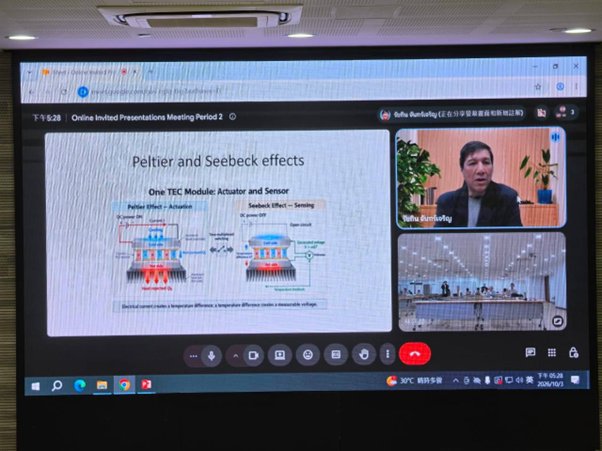
Time-Multiplexed Self-Sensing and Physics-Informed Digital Twin Control of a Thermoelectric Peltier Module Presented by Prof. Ratchatin Chancharoen Robotics and AI Program Chulalongkorn University
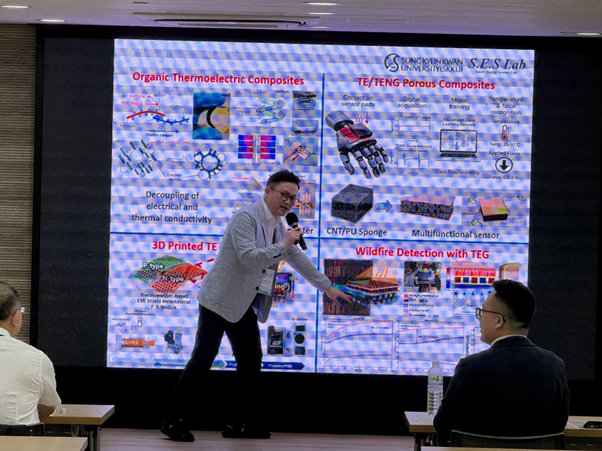
Development and Application of Organic Materials for Multifunctional Applications Presented by Prof. Kyungwho Choi National Chung Hsing University
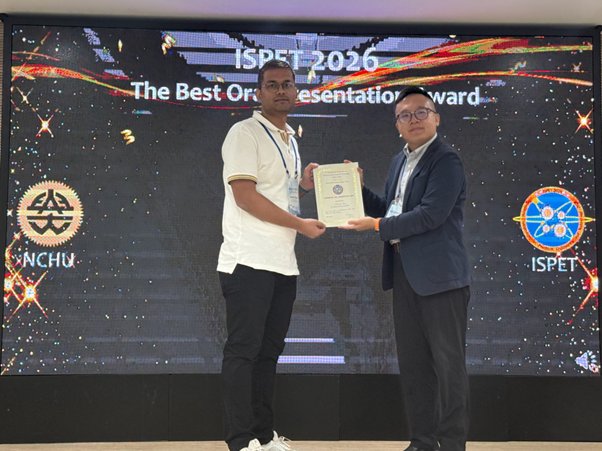
Siddharth Rana†, Chun-Kai Huang, Jun-Ting Ye, and Ray-Hua Horng, “Device Scaling Effects on the Performance of Delta-Doped High-κ β-Ga2O3 MOSFETs”, The 7th International Symposium on Precision Engineering and Technology 2026, ISPET 2026, Oral No. O-3, The Best Oral Presentation Award, Talmud Hotel Kaohsiung LoveRiver, Kaohsiung City, Taiwan, October 2~4, 2026.
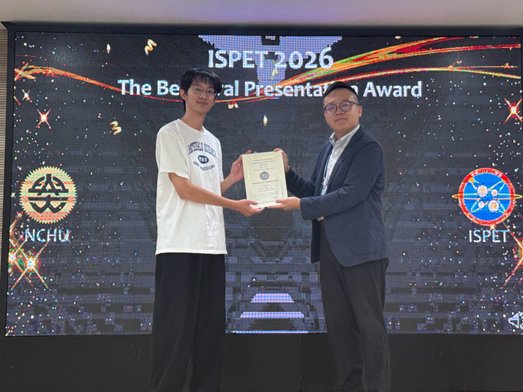
Chun-Chung Hsu†, Yu-Hsien Lee, Yi-Chun Chen, Yi-De Liou, Ming-Hao Lee, and Ying-Hao Chu*, “Configurational Entropy as a Design Knob for Tunable Ferroelectric-to-Relaxor Behavior in Perovskite Thin Films”, The 7th International Symposium on Precision Engineering and Technology 2026, ISPET 2026, Oral No. O-2, The Best Oral Presentation Award, Talmud Hotel Kaohsiung LoveRiver, Kaohsiung City, Taiwan, October 2~4, 2026.
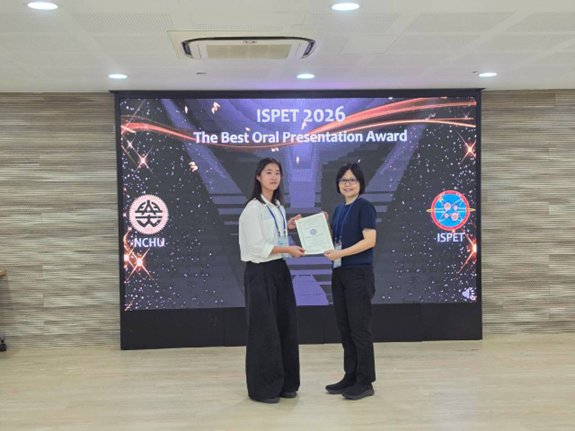
Tsai-Jou Chuang†, Jyh-Ming Wu, and Ying-Hao Chu*, “GELATIN-ASSISTED EXFOLIATION OF FREESTANDING ZnO PIEZOELECTRIC THIN FILMS FOR SKIN-ATTACHABLE SENSING”, The 7th International Symposium on Precision Engineering and Technology 2026, ISPET 2026, Oral No. O-6, The Best Oral Presentation Award, Talmud Hotel Kaohsiung LoveRiver, Kaohsiung City, Taiwan, October 2~4, 2026.
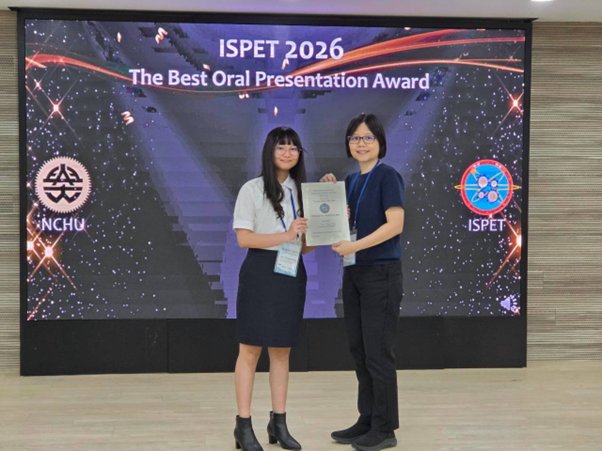
Yun-Ching Hung†, Wen-Chi Lee, Lung-Ming Fu, and Chia-Yen Lee*, “A Respiratory Monitoring System Utilizing Microcantilever Structure”, The 7th International Symposium on Precision Engineering and Technology 2026, ISPET 2026, Oral No. O-4, The Best Oral Presentation Award, Talmud Hotel Kaohsiung LoveRiver, Kaohsiung City, Taiwan, October 2~4, 2026.
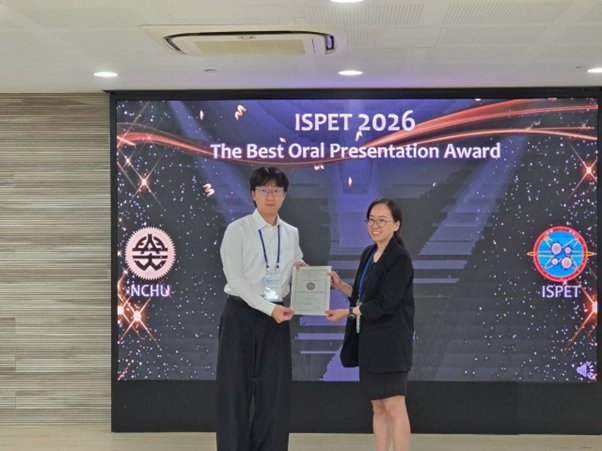
Bo-Syun Chen†, Ying-Hao Chu*, and Jyh-Ming Wu “Laser-Engineered Perovskite Oxide Films on Flexible Mica for Tribological Charge Harvesting”, The 7th International Symposium on Precision Engineering and Technology 2026, ISPET 2026, Oral No. O-9, The Best Oral Presentation Award, Talmud Hotel Kaohsiung LoveRiver, Kaohsiung City, Taiwan, October 2~4, 2026.
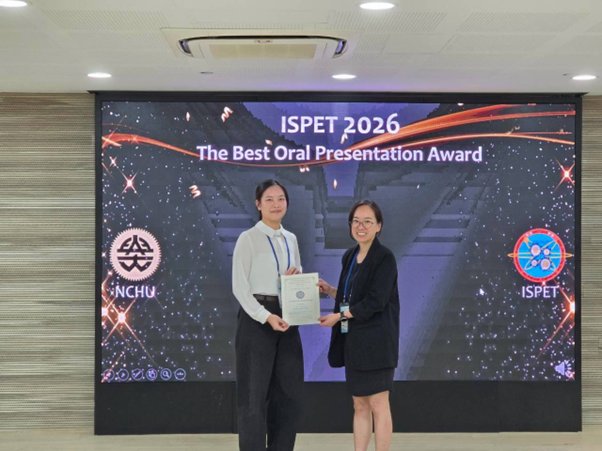
Yu-Jen Hsiao† and Ying-Hao Chu*, “Epitaxial Ag/Fluorophlogopite SERS Sensors for Extreme Temperature Environments”, The 7th International Symposium on Precision Engineering and Technology 2026, ISPET 2026, Oral No. O-10, The Best Oral Presentation Award, Talmud Hotel Kaohsiung LoveRiver, Kaohsiung City, Taiwan, October 2~4, 2026.
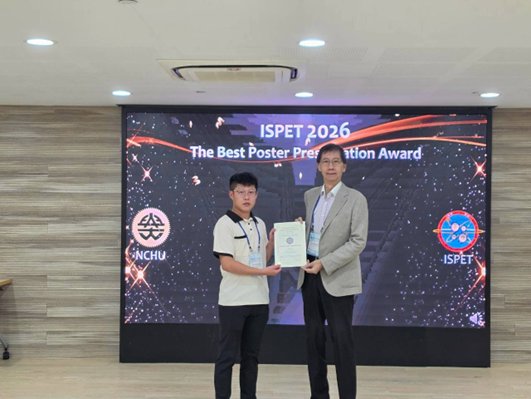
Chin-Chieh Hsu†, Hui-Tung Yang, and Wei-Sea Chang*, “Phase Formation in Pulsed-Laser-Deposited High-Entropy (Ca, Sr, Ba, Mg, Sm, Bi, Na) TiO3 Thin Films: Effects of Substrate.”, The 7th International Symposium on Precision Engineering and Technology 2026, ISPET 2026, Poster No. P-38, The Best Poster Presentation Award, Talmud Hotel Kaohsiung LoveRiver, Kaohsiung City, Taiwan, October 2~4, 2026.
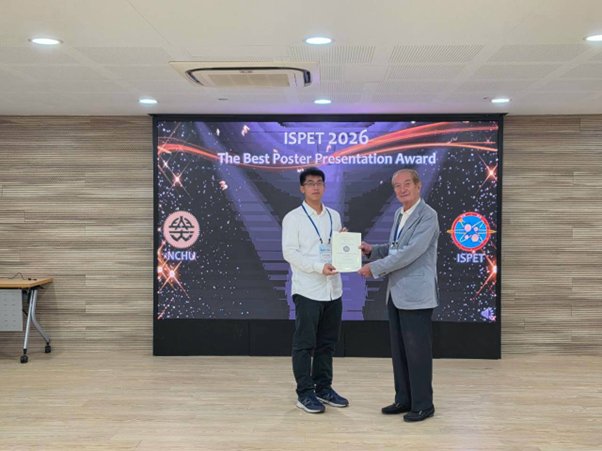
Xian-Ye Jiang†, Tsung-Ting Hou, and Ying-Hao Chu*, “Silicon-Integrated Bi2O2Se/Pb(Zr0.2Ti0.8)O3 Heterostructure for Ferroelectric Gate Modulation toward FeFETs”, The 7th International Symposium on Precision Engineering and Technology 2026, ISPET 2026, Poster No. P-43, The Best Poster Presentation Award, Talmud Hotel Kaohsiung LoveRiver, Kaohsiung City, Taiwan, October 2~4, 2026.
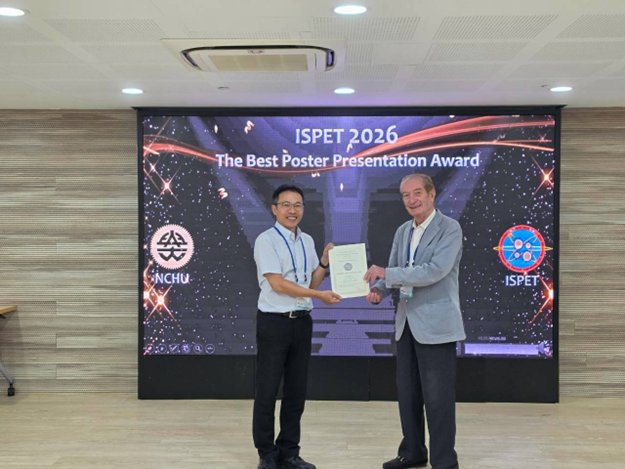
Te-Yu Chien, Tai-Cheng Liu, Wen-Ching Ko, Chang-Hsiung Chen, Shih-Chi Lee, and Hsun-Ching Hsu1,†,*, “Optimization of a Blue-Light LED Illumination System Based on a High-Reflectivity Enclosed Cavity” The 7th International Symposium on Precision Engineering and Technology 2026, ISPET 2026, Poster No. P-24, The Best Poster Presentation Award, Talmud Hotel Kaohsiung LoveRiver, Kaohsiung City, Taiwan, October 2~4, 2026.
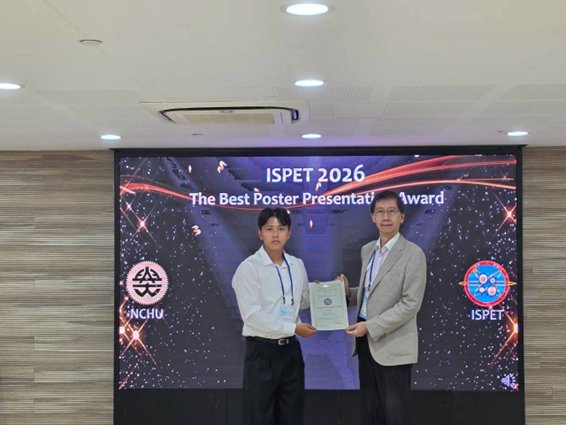
Ting-Wei Na†, Jhih-Hong You, Yu-Cheng Lin, and Shih-Ying Chang*, “Direct Bonding of Graphene-Copper Composite to Glass Using Sn-4Ag-3.5Ti Active Filler Without Flux in Air”, The 7th International Symposium on Precision Engineering and Technology 2026, ISPET 2026, Poster No. P-17, The Best Poster Presentation Award, Talmud Hotel Kaohsiung LoveRiver, Kaohsiung City, Taiwan, October 2~4, 2026.
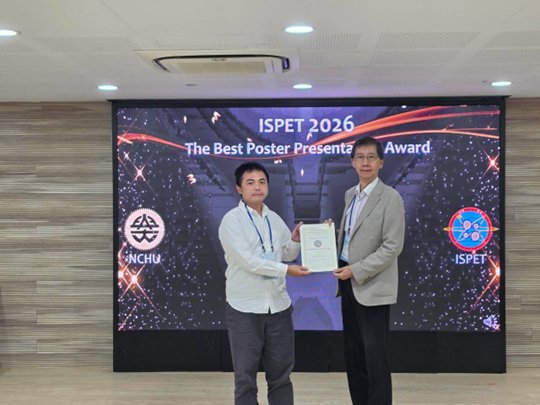
Ping-Hsien Wu†, Tzu-Ming Chan, Chih Chen, Ray-Hua Horng, and Ying-Hao Chu1,*, “Engineering of Cu-Integrated Single-Crystal β-Ga2O3 Thin Films for High-Power Devices”, The 7th International Symposium on Precision Engineering and Technology 2026, ISPET 2026, Poster No. P-15, The Best Poster Presentation Award, Talmud Hotel Kaohsiung LoveRiver, Kaohsiung City, Taiwan, October 2~4, 2026.
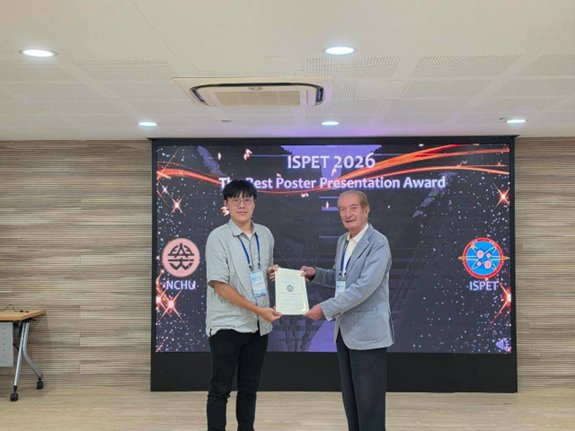
Zhong-Wei Zhang, Hsing-Chiao Lo† and Po-Liang Liu*, “Simulation of silicon nitride grain size and mechanical strength prediction using a three dimensional multi sphere model”, The 7th International Symposium on Precision Engineering and Technology 2026, ISPET 2026, Poster No. P-13, The Best Poster Presentation Award, Talmud Hotel Kaohsiung LoveRiver, Kaohsiung City, Taiwan, October 2~4, 2026.
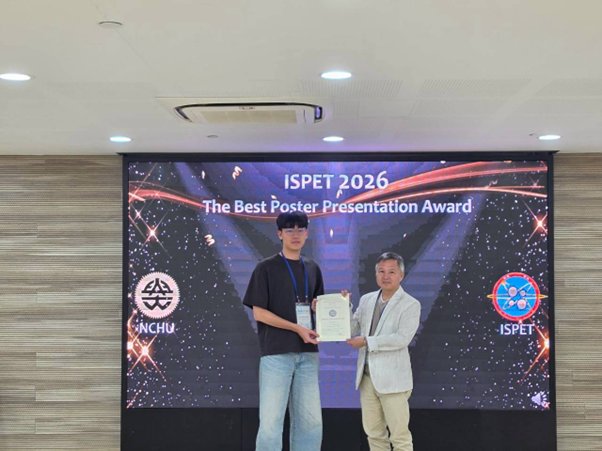
Yu-Cheng Liang,† and Chun-Wei Tsai,* “Design and Simulation of a Secondary Optical System for 12V MicroLED Automotive Courtesy Lighting”, The 7th International Symposium on Precision Engineering and Technology 2026, ISPET 2026, Poster No. P-36, The Best Poster Presentation Award, Talmud Hotel Kaohsiung LoveRiver, Kaohsiung City, Taiwan, October 2~4, 2026.
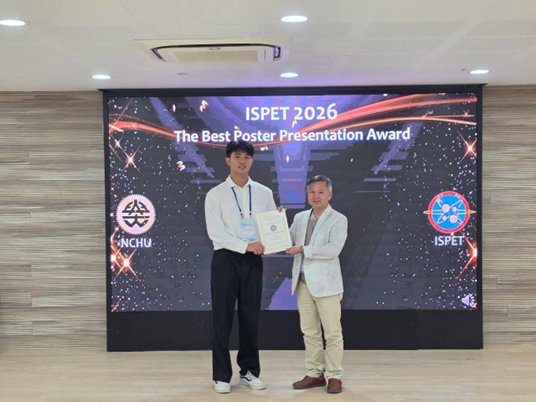
Tsung-Ting Hou†, Yu-Hsien Lee, and Ying-Hao Chu,* “Multi-Field Responses in High-Entropy KNN-based Thin Films”, The 7th International Symposium on Precision Engineering and Technology 2026, ISPET 2026, Poster No. P-6, The Best Poster Presentation Award, Talmud Hotel Kaohsiung LoveRiver, Kaohsiung City, Taiwan, October 2~4, 2026.
Location
Talmud Hotel Kaohsung LoveRiver Address: No. 23, Datong 2nd Road, Qianjin District, Kaohsiung City, Taiwan
How to get to the Venue
Option 1: From Venue to Hai Pa Wang Restaurant (By MRT and LRT)
Route Guide: Talmud Hotel Kaohsiung LoveRiver (Walk) → MRT Cianjin Station (O4) → MRT Hamasen Station (O1) → LRT Hamasen Station (C14) → LRT Pier-2 Dayi Station (C12) → (Walk) Hai Pa Wang Restaurant Fare: Estimated one-way fare: NT$ 40 (MRT NT$ 20 + LRT NT$ 20) Operation Interval: MRT: 6~10 minutes LRT: 10~15 minutes
Option 2:From Venue to Hai Pa Wang Restaurant (by Car)
Route Guide: Talmud Hotel Kaohsiung LoveRiver (Head west on Datong 2nd Rd) → Hedong Rd → Minsheng 2nd Rd → Wufu 4th Rd → Dayi St → Hai Pa Wang Restaurant Distance & Travel Time: Estimated distance: 2.0 km / Estimated driving time: 6–8 minutes
Registration Fee
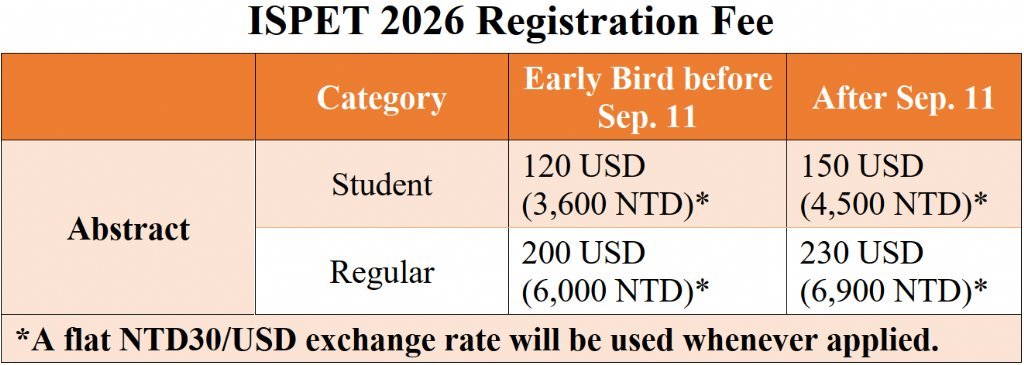
Dinner and transportation are included in the symposium registration fee. Accompanying persons are welcome (25USD). Please reserve your seat(Click here) by September 25, as on-site registration is not available. 匯款資訊: 匯入銀行:永豐銀行興大分行 銀行代號:807 戶名:社團法人中華民國國立中興大學精密工程研究所所友會 匯款帳號:044-018-0009162-2 請透過電子郵件提供研討會註冊費的匯款帳號末五碼。
Remittance Information:
Account: NCHUGIPE Alumni Association Account Number: 044-008-0000610-8 SWIFT CODE: SINOTWTP Address: Bank Sinopac, 9F., No. 36, Sec. 3, Nanjing E. Rd., Taipei, 104, Taiwan Tel/ Fax: +886-2-2517-3336/ +886-2-2517-2824 Please provide the wire transfer information for the symposium registration fee via email.
Note:
• One regular registration can publish an abstract. • Student fee is ONLY applicable for the student who is the FIRST author. • Additional paper registration precondition: The registered author should be the first authors in both papers. • All Symposium attendees must register. Personal badges will be provided to identify registered participants. • 15 minutes Oral presentation / Poster Presentation • Symposium program • Attendance to all sessions • Name tag • Certificate of presentation • Symposium bag • Lunches, coffee breaks and Banquet
Listener Registration Fee Includes:
• Symposium program • Attendance to all sessions • Name tag • Certificate of attendance • Symposium bag • Lunches and coffee breaks
Refund/Cancellation Policy
If a registrant is unable to participate in the event for any reason, he or she can replace other co-authors or other people from the same institution/organization through arrangements with the registrar. A written request for cancellation must be sent to the Symposium secretary via email nchugipe@gmail.com.
In case of cancellation, partial cancellation or modification, the following fees will be charged:
• Cancellation up to 90 days prior to event date : Free of charge • 89-30 days prior to event date : 50% processing fee is required • 29-0 days prior to event date : No refund
Plenary Speakers
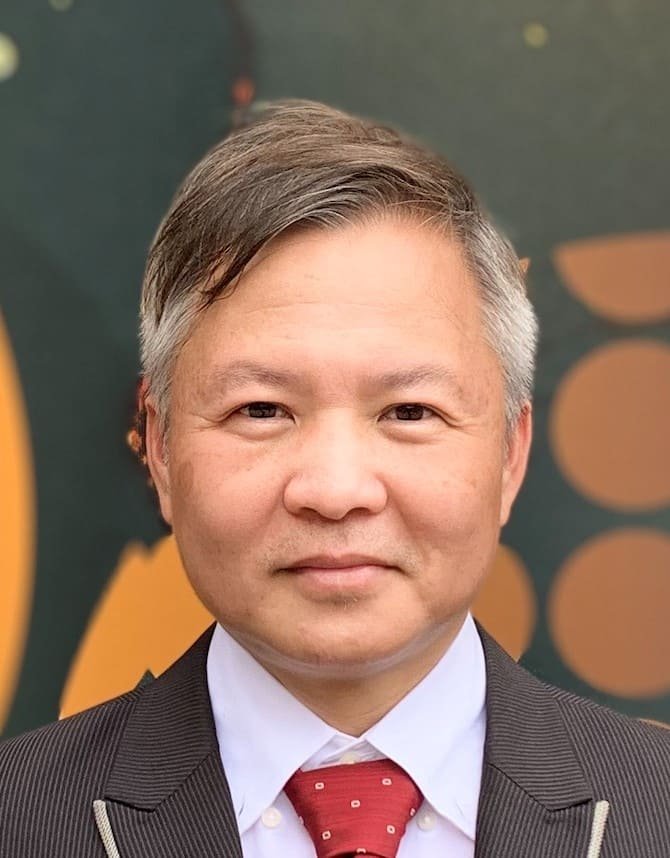
Chair Prof. and Department Chair, Ying-Hao Chu Department of Materials Science & Engineering, National Tsing Hua University, Taiwan
Title of Plenary Speech
Bismuth-Based 2D Semiconductors: A New Era for Silicon-Integrated Electronics and Functional Native Interfaces
Abstract of Plenary Speech
Two-dimensional (2D) bismuth oxychalcogenides (Bi2O2X), where X = S, Se, Te, have emerged as an extraordinary material platform for next-generation nanoelectronics owing to their high carrier mobility, moderate band gaps, and exceptional ambient stability. In this plenary talk, we present our systematic journey in tailoring the electronic landscapes of these ternary non-van der Waals semiconductors, transitioning from fundamental transport optimization to monolithic silicon integration and the discovery of functional native oxide interfaces. Previously, we established robust, nonvolatile modulation of Bi2O2Se channel conductivity by integrating a ferroelectric layer to electrically tune the semiconductor's Fermi level and band alignment. To resolve the long-standing challenge of p-type 2D electronics, we developed an area-selective, low-temperature pulsed laser doping process using Zn2+ substituents to replace Bi3+ sites, successfully achieving p-type polarity modulation and demonstrating high-performance vertical p-n homojunctions and CMOS logic inverters. Furthermore, through monotonous sulfur-selenium alloying, the carrier transport was optimized, yielding a peak field-effect electron mobility of 215 cm2V-1s-1 and an on/off ratio of 106 at a critical S:Se ratio of 4:6 with a Bi2SeO5 gate dielectric. Building upon these achievements, we report three major, yet-to-be-published advancements that push these materials toward practical semiconductor applications. First, addressing the integration bottleneck on industry-standard silicon, we demonstrate the direct epitaxial growth of tetragonal Bi2O2Se on silicon (Si) substrates enabled by a thin epitaxial SrTiO3 buffer layer. This monolithic integration bypasses the degradation typically induced by conventional transfer techniques, achieving high-quality single-crystalline domains on Si. Second, we unveil the experimental evidence of electrically switchable ferroelectric polarization in Bi2SeO5 at room temperature. Conventionally utilized as a passive, high-k native gate dielectric or passivation layer, we demonstrate that the non-centrosymmetric structural distortion in Bi2SeO5 natively hosts robust, switchable polarization. This discovery enables an "all-native" ferroelectric field-effect transistor architecture with atomically sharp, defect-free interfaces. Third, to elucidate the fundamental mechanism of this transformation, we present our comprehensive in-situ investigation tracking the continuous thermal oxidation of Bi2O2Se into ferroelectric Bi2SeO5. Utilizing real-time, in-situ high-resolution transmission electron microscopy, in-situ X-ray photoelectron spectroscopy, and in-situ Raman spectroscopy, we have mapped the dynamic oxygen diffusion pathways and localized structural reconstruction with atomic precision. These findings pave a new way for fabricating self-assembled, silicon-compatible 2D ferroelectric electronics.
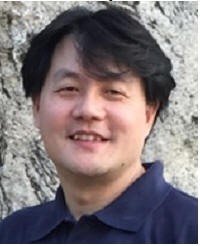
GlobalFoundries Chair Prof. Cheng-Kuo Lee Center for Intelligent Sensors and MEMS, National University of Singapore, Singapore Department of Electrical and Computer Engineering, National University of Singapore, Singapore National Center for Advanced Integrated Photonics, Singapore
Title of Plenary Speech
CMOS Photonics Circuits Enabled Photonic Neural Networks and Edge AI Sensing
Abstract of Plenary Speech
With the growing demand for energy-efficient AI applications, the rapid development of photonic neural networks (PNNs) represent a strategy for integrating photonics with AI computing architectures. PNNs harness multiple degrees of freedom of light, i.e., wavelength, amplitude, phase, mode, and polarization, to encode and manipulate large volumes of data in parallel. Through optical multiplexing, PNNs enable high-throughput, low-latency computation while reducing energy consumption compared with electronic counterparts. The development of AlN/Si-based CMOS photonics circuits have been developed as a near-sensor edge computing (NSEC) platform which pushes the boundary of real-time AI by combining electro-optic microring resonators (MRRs) and thermo-optic interferometers (MZIs) to achieve low-latency neural computation directly at the sensing layer. Demonstrated with high accuracy in multimodal gesture and gait classification tasks (96.77% and 98.31%, respectively), and achieving latency under 10 ns with energy consumption below 0.34 pJ, such platforms are paving the way for privacy-preserving, always-on AI hardware for healthcare, robotics, and immersive interaction systems. Overall, the fusion of AI-enhanced photonic sensing, on-chip neuromorphic computing, and flexible sensor integration represents a paradigm shift for future edge AI sensing systems. As optical edge computing continues to mature, it will become a cornerstone in the transition from centralized cloud AI to energy-efficient, responsive, and context-aware edge intelligence. Looking ahead, the convergence of AI, photonic integration, and edge computing will catalyze the next wave of intelligent systems that are no longer confined to centralized data centers or limited by power and latency bottlenecks. Future edge AI sensing architectures will evolve toward using CMOS photonics circuits enabled computing and sensing integrated chips which can achieve perception, inference, and adaptation in real time. Ultimately, the long-term vision is a world where every object, environment, and human interaction is seamlessly sensed, interpreted, and enhanced in real time.
Keynote Speakers
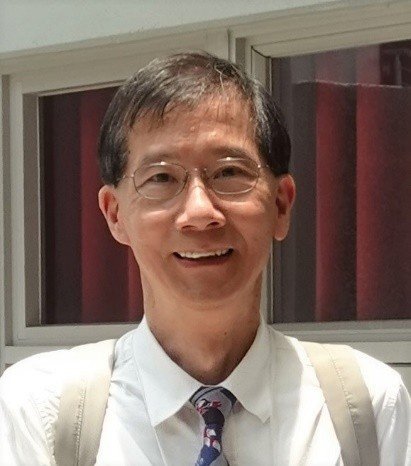
Prof. Yu-Lin Shen Department of Mechanical Engineering University of New Mexico,USA
Title of Keynote Speech
On the Applicability of Wafer Curvature Measurement to Determine Stress in Porous Thin Films
Abstract of Keynote Speech
The widespread use of Stoney's equation to determine thin-film stress from wafer curvature measurement assumes a continuous, defect-free thin film. However, its applicability to thin films with internal heterogeneity – such as voids and microcracks – remain unclear since these microscopic features generate highly nonuniform stress and deformation fields in the thin film. This problem can be tackled with systematic numerical simulations. We employed finite element analyses to investigate void-containing thin films bonded to thick substrates under thermal mismatch loading. By comparing curvature-derived average film stresses with direct mechanical simulations of standalone films, the validity of Stoney's equation in both the elastic and plastic regimes can be assessed. Our results demonstrate that Stoney's equation reliably predicts the average film stress for elastic and early plastic deformation, regardless of void distribution and porosity. On the other hand, with extensive plasticity, the substrate constraint alters local deformation behavior, leading to discrepancies between curvature-converted stress and the intrinsic flow stress of the porous film. These findings provide critical guidance for interpreting curvature-based stress measurements and highlight the role of interfacial constraint in modulating damage evolution.

Prof. Silvano Donati University of Pavia and HiSiPIC, IEEE Life Fellow, OSA Emeritus Fellow
Title of Keynote Speech
Sensing by Self-Mix Interferometry
Abstract of Keynote Speech
Abstract: In this talk, we describe the principle of operation of self-mixing interferometer, a coherent configuration for the measurement of dimensional and kinematic quantities such as: displacement, distance, vibration amplitude, thickness, angle, and curvature, and also physical quantities like: coupling factors, line width, alfa-factor, and index of refraction. In the measurement arrangement, the laser undergoes self-injection at weak level, leading to an amplitude and frequency modulation driven by external optical path length. We will describe the development of a straightforward displacement-measuring instrument, based on up/down counting of fringes, and then we extend the measurement to the practical case of a diffuse (non- cooperative) target, introducing the speckle-pattern statistics, corrected by a BST (bright speckle tracking) technique, shown capable of covering displacements up to 1-m with 1m-resolution and accuracy. For sub-m vibrations, we will report on the implementation of two-channel (or, referenced) vibrometer, based on analogue processing of the self-mix signal, removing the speckle-related amplitude errors thanks to a servo-loop concept, so that the instrument is capable of true differential operation, and covers a dynamic range of amplitudes extending from a noise-limited of 100 pm/√Hz to about 500 m with good linearity. The vibrometer allows the non- contact measurement of the mechanical frequency response and, even more unusual, of the hysteresis cycle (or the stress/strain diagram) of a sample under test. Additional examples of a number of surprising measurements performed by self-mix will be finally surveyed, i.e., the absolute distance meter, with application to LiDAR, thickness, angles and return echoes measurements as well as that of laser parameters like linewidth and alpha- factor. An outlook on perspectives and future perspectives of self-mix will conclude the talk.
Invited Speakers

Prof. Uma N. Dulhare CSE (Artificial Intelligence & Machine Learning) Department, Muffakham Jah College of Engineering & Technology, India
Title of Invited Speech
From Precision Diagnostics to Intelligent Healthcare: AIoT, Edge Intelligence and Emerging Agentic AI
Abstract of Invited Speech
The fusion of Artificial Intelligence (AI), the Internet of Things (IoT) and edge intelligence is transforming precision healthcare by enabling intelligent, real-time and patient-centric healthcare systems. Building upon the evolution of AI-driven precision diagnostics, this talk explores the transition from conventional deep learning-based diagnostic systems toward next- generation intelligent healthcare environments that can continuously sense, analyze, assist and adapt to patient needs. The presented vision integrates AIoT-enabled sensing devices, medical imaging systems, wearable sensors and edge computing platforms with advanced AI models for real-time healthcare analytics. Deep learning and explainable AI can further assist in the detection, classification and interpretation of clinical conditions while providing more transparent and trustworthy diagnostic support. This talk then introduces the emerging role of Generative AI and Agentic AI in healthcare, highlighting the transition from predictive and assistive AI toward more adaptive and goal- oriented intelligent systems. From an engineering perspective, the integration of intelligent sensing, edge computing, lightweight AI models and emerging agentic capabilities provides some pathway toward scalable and sustainable smart healthcare ecosystems.
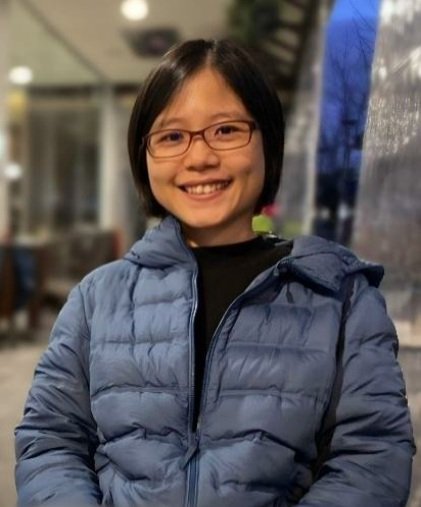
Assoc. Prof. Wei-Sea Chang Department of Materials Science and Engineering National Yang Ming Chiao Tung University, Hsinchu, Taiwan
Title of Invited Speech
MAGNETRON-SPUTTERED HIGH-ENTROPY CERAMIC THIN FILMS FOR DIELECTRIC CAPACITOR: A PROCESS DEVELOPMENT STUDY
Abstract of Invited Speech
High-entropy ceramics (HECs), which incorporate five or more cations into a single-phase solid solution, have attracted great interest in dielectric property tuning and energy storage applications due to their compositional flexibility. However, depositing high-entropy ceramic thin films via magnetron sputtering remains challenging, particularly in achieving stoichiometric transfer from the ceramic target, controlling phase formation, and maintaining film integrity. This work presents ongoing efforts to develop a reliable magnetron sputtering process for high-entropy ceramic thin films intended for capacitor and dielectric storage applications. Key process parameters, including sputtering power, working pressure, temperature and substrate conditions, are being systematically investigated to establish their influence on film composition, phase stability, and microstructure. These preliminary findings are guiding process refinement toward better film quality for subsequent dielectric evaluation, laying the groundwork for future structure–property studies in high-entropy ceramic thin films for dielectric energy storage.

Assoc. Prof. Jyoti Jaiswal Department of Physics, Rajiv Gandhi University Arunachal Pradesh, India
Title of Invited Speech
Surface and Interface Engineering of 2D MXenes for High-Performance Enzyme-Free Biosensing and Healthcare Diagnostics
Abstract of Invited Speech
The growing need for reliable, low-cost, flexible, and real-time healthcare diagnostics has driven the development of enzyme-free electrochemical sensing platforms that overcome the stability and environmental limitations of conventional enzymatic biosensors. Two-dimensional (2D) MXenes, particularly Ti₃C₂Tₓ, offer a promising platform owing to their high electrical conductivity, large electroactive surface area, tunable surface chemistry, and mechanical flexibility. This talk presents our recent efforts toward engineering Ti₃C₂Tₓ MXenes and their heterostructures for high-performance enzyme-free cholesterol sensing. Our initial study demonstrated that in-situ etched Ti₃C₂Tₓ MXene can function as a flexible enzyme-free cholesterol sensing electrode, achieving sensitive detection at low concentrations while exhibiting good selectivity, reproducibility, flexibility, and stability [1]. Building on this platform, we subsequently developed MoS₂-intercalated Ti₃C₂Tₓ MXene heterostructures to tailor the surface and interfacial properties of the sensing electrode. The optimized Ti₃C₂Tₓ/MoS₂ heterostructure exhibited improved charge-transfer kinetics and electrochemical response, enabling sensitive non-enzymatic cholesterol detection over a broad concentration range, together with excellent selectivity, flexibility, and long-term stability [2]. These studies demonstrate how rational surface and interface engineering of 2D MXenes can regulate electrochemical processes and enhance sensing performance. Overall, this work establishes a structure–interface–property relationship for designing flexible and robust enzyme-free biosensors and highlights the potential of engineered MXene-based platforms for next-generation wearable, portable, and point-of-care healthcare diagnostics.
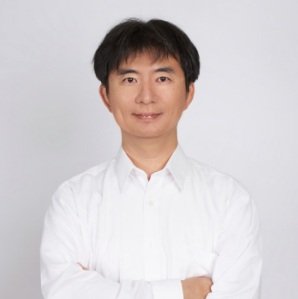
Prof. Chao-Cheng Kaun Research Center for Applied Sciences, Academia Sinica, Taiwan
Title of Invited Speech
Computational Modeling of Nanoelectronics and Emerging Materials
Abstract of Invited Speech
Using first-principles calculations based on density functional theory (DFT) and the non-equilibrium Green's function method, we investigate performance of transition-metal-dichalcogenide (WSe2, WS2, and MoS2) channeled field-effect transistors and enhanced low-temperature photoluminescence in α-CsPbI3/WS2 heterostructures for nanoelectronic applications. Effects of biasing, contacting, configuring and quantum interfering are addressed. Using first-principles calculations based on DFT, we explore the bandgap tuning of NiFeV layered double hydroxides for optoelectronic and catalytic devices. Effects of compositing and cation ordering are identified. Moreover, we study the efficiencies of polymer-protected perovskite quantum dot films for LED backlighting and polymer-promoted solid-state electrolytes for lithium metal batteries. Effects of polymer-adsorbing and -interfacing are highlighted.
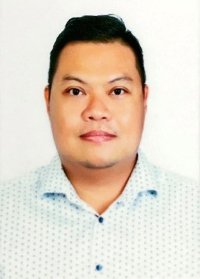
Prof. Ngoc Dang Khoa Tran Faculty of Mechanical Engineering Industrial University of Ho Chi Minh City, Vietnam
Title of Invited Speech
Data-Driven Modeling and Optimization of Surface Roughness and Vibration in End Milling Using a Wireless Sensor Tool Holder
Abstract of Invited Speech
Processing difficult-to-cut materials with optimal surface integrity is essential for advanced manufacturing. Tool vibration degrades 12X18N10T stainless steel machining. The best cutting settings for this tough material require measuring vibrations. Traditional wired vibration-monitoring systems often lose signal quality due to the distance between sensors and the cutting zone. This project collects high-quality, real-time data from a Bluetooth-enabled wireless vibration- monitoring device in the tool holder. A study used a 23 factorial design and ANOVA to analyze the impact of cutting speed (v), feed per tooth (S), and depth of cut (t) on surface roughness (Ra) and vibration amplitude (A). The model showed high reliability (R2 ≥ 90%), with cutting speed (v) significantly affecting vibration amplitude (A) and feed per tooth (S) significantly affecting surface roughness (Ra). The optimal settings for Derringer’s desirability multi-objective optimization method were (v 45 mm/min), (S 0.02 mm/tooth), and (t 0.2 mm), resulting in an approximate surface roughness (Ra) of 3.07 µm and a vibration amplitude (A) of 0.01196 mm. The study also establishes “feasible machining zones” with (Ra ≤ 0.4 µm and A ≤ 0.04 mm) for intelligent, adaptive control in Industry 4.0 compatible milling systems.

Assoc. Prof. Dr. Teeranoot Chanthasopeephan Mechanical Engineering Department King Mongkut's University of Technology Thonburi, Bangkok, Thailand
Title of Invited Speech
From Flexibility to Intelligence: Advancements in Soft Robotics
Abstract of Invited Speech
Recent advancements in robotics and artificial intelligence have brought about a new innovation, driven by the emergence of soft robotics and embedded intelligence. This talk will explore the exciting convergence of these two cutting-edge fields, showcasing how soft robots—known for their flexible, adaptable structures—are redefining applications across industries such as healthcare, agriculture, and beyond. We will uncover the fundamental principles that make soft robotics unique, including the novel materials and sensors that enable these robots to interact safely and effectively with complex environments. In parallel, we will examine the crucial role of embedded intelligence: the integration of advanced AI algorithms directly into robotic systems, empowering them with real-time perception, autonomous decision-making, and enhanced versatility. The talk will highlight the latest research trends, and the key challenges that researchers and engineers face when deploying soft robots endowed with intelligent capabilities. By gaining insight into these breakthroughs, we can better imagine a future in which soft, intelligent robots augment human abilities, enhance safety, and deliver smarter, more adaptive automated solutions.
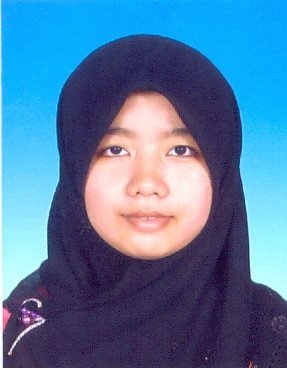
Dr. Nabila A. Karim Fuel Cell Institute, University Kebangsaan Malaysia,Malaysia
Title of Invited Speech
Sustainable Hydrogen and Decarbonized Syngas Production from Biomass Pyrolysis over MOF-Derived Nickel-Based Catalysts: Performance and Process Optimization
Abstract of Invited Speech
Biomass pyrolysis offers a promising pathway for converting renewable feedstocks into hydrogen-rich syngas, yet conventional nickel-based catalysts frequently suffer from deactivation and agglomeration under high-temperature reaction conditions. To address these challenges, metal–organic framework (MOF)-derived nickel catalysts, along with cerium- promoted variants (Ni-MOF/Ni@C and Ce-Ni-MOF/Ce-Ni@C), were synthesized and systematically evaluated for catalytic performance in biomass conversion. The catalysts featured highly textured, flower-like morphologies with large surface areas and structural durability after pyrolysis. Operational parameters including reaction temperature, catalyst-to- biomass ratio, and residence time were investigated to evaluate gas product behavior and optimize performance. Unpromoted nickel catalysts exhibited rapid initial catalytic activity, significantly boosting early-stage hydrogen production. In contrast, cerium promotion imparted superior long-term stability and controlled metal particle distribution, maintaining high efficiency over extended run times. Furthermore, statistical process modeling demonstrated that operating parameters can be tailored for targeted outcomes, including maximizing total hydrogen yield, suppressing carbon dioxide emissions for decarbonized syngas, and adjusting the hydrogen-to-carbon monoxide stoichiometry for downstream applications. These findings demonstrate the versatility and effectiveness of MOF-derived nickel catalysts for scalable, sustainable hydrogen generation.

Assoc. Prof. Ratchatin Chancharoen Mechanical Engineering Department, Robotics and AI Program Chulalongkorn University, Thailand
Title of Invited Speech
Time-Multiplexed Self-Sensing and Physics-Informed Digital Twin Control of a Thermoelectric Peltier Module
Abstract of Invited Speech
This work presents a temperature-control framework for a thermoelectric Peltier module that combines time-multiplexed self-sensing with physics-informed digital twin estimation. Conventional Peltier control typically relies on dedicated temperature sensors for feedback, which can introduce additional hardware, installation constraints, and measurement delay. In the proposed approach, the electrical excitation of the thermoelectric module is periodically interrupted or modulated to obtain self-sensing information related to its thermal state. These measurements are combined with a physics-informed dynamic model to estimate the cold-side temperature and support closed-loop control. Experimental characterization of the thermoelectric system is used to identify its transient and steady-state thermal behavior, including a thermal time constant of approximately 23 s and a cold-side temperature approaching −25 °C under the investigated operating conditions. A time-multiplexed actuation and sensing strategy is then implemented to balance cooling performance with state-observation requirements. The proposed framework demonstrates the feasibility of using the thermoelectric device not only as an actuator but also as part of the sensing mechanism. This approach provides a foundation for compact, sensor-reduced, and model-assisted thermal management systems in embedded cooling, laboratory instrumentation, and intelligent mechatronic applications.
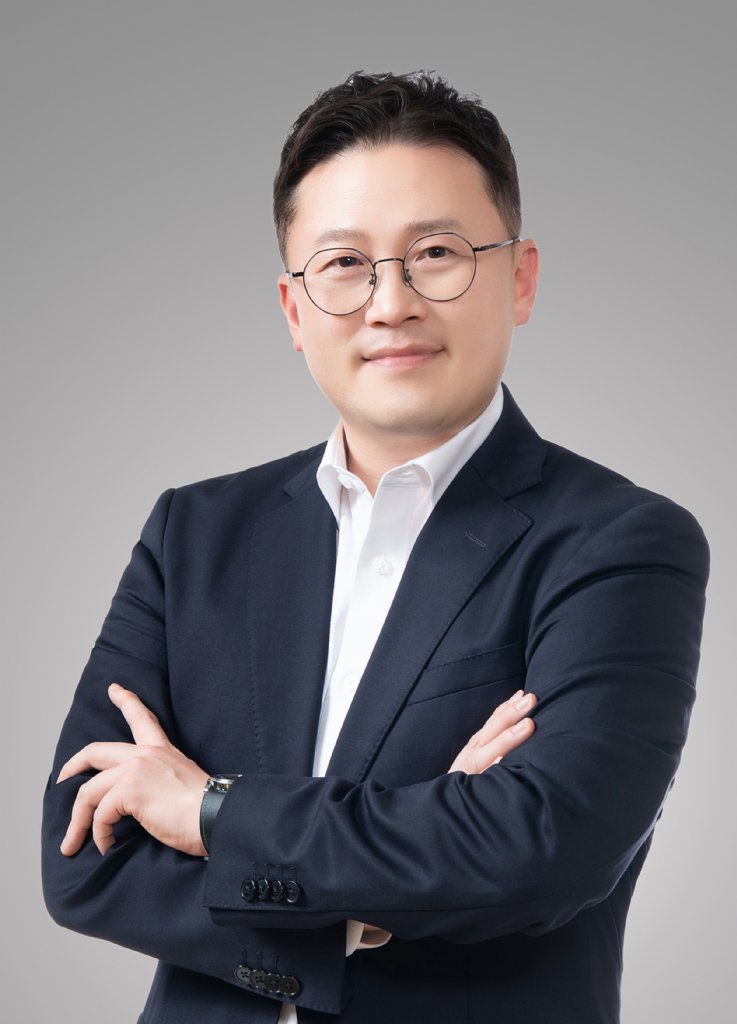
Assoc. Prof. Kyungwho Choi School of Mechanical Engineering, Sungkyunkwan University, Suwon-si, Korea
Title of Invited Speech
Development and Application of Organic Materials for Multifunctional Applications
Abstract of Invited Speech
The thermoelectric effect enables the conversion of temperature gradients into electrical energy, offering potential in energy harvesting and sensor technologies. Conventional inorganic thermoelectric materials suffer from limitations such as brittleness and processing difficulty. This study explores organic thermoelectric materials as a flexible and functional alternative. Organic thermoelectric films were fabricated using carbon nanotubes (CNTs) and conductive polymers. Interface effects between CNTs and polymers were analyzed to assess performance. CNTs were also incorporated into OPC cement and polyurethane sponges via impregnation and dip-coating methods, respectively. Finally, CNTs were added to thermoplastic polyurethane (TPU) for 3D printing applications. CNT/polymer composites demonstrated enhanced thermoelectric output and enabled body-temperature-activated chemical sensing. CNT-impregnated cement retained low thermal conductivity while improving compressive strength and exhibiting thermoelectric behavior. CNT-treated polyurethane sponges showed both thermoelectric and triboelectric effects, indicating potential for load sensing. CNT/TPU 3D-printed structures revealed reduced EMI shielding and enabled internal structural modeling. This study presents a novel methodology for synthesizing multifunctional organic thermoelectric composites. The findings highlight promising applications in smart infrastructure, wearable sensors, and EMI shielding. The approach lays groundwork for future development of intelligent materials and high-performance computing systems.
The proposed control algorithm was tested for its ability to manage displacement control in FOAM under varying input signals. Additionally, experiments were conducted to assess the controller's performance under different load conditions. The results demonstrate that the control system exhibits excellent adaptability and robustness. These findings highlight the potential of this hybrid approach for enhancing PAM-based systems in dynamic environments, making them highly suitable for rehabilitation and robotic applications.
Symposium Proceedings 2026 (PDF DOWNLOAD)
 Tel:+886-4-2284-0461 Ext.618